Mind the Gap: Accounting Education vs. Firm Expectations
June 10, 2026
by Dr. Gabriel Saucedo, PhD, and Vikram Parihar, Master of Science in Accounting & Analytics
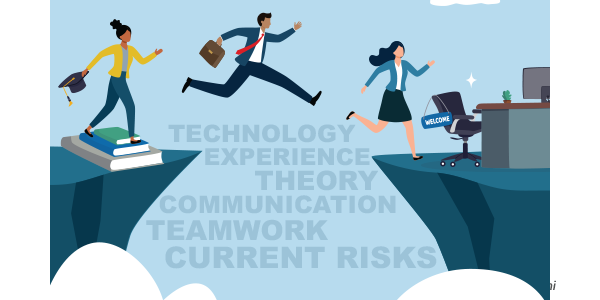
The multitude of undergraduate- and graduate-level accounting students soon to enter the workforce across the state and country are at an interesting intersection (i.e., gap but not “GAAP”) between the demand skillset employers desire and the supply skillset universities and colleges advance to the workforce.
At the same time, the profession itself is undeniably changing quickly. The evolution of the CPA certification is reshaping the exam to embed information systems and data analytics into the core, while also adjusting experience requirements. AI and automation tools are becoming part of everyday work in audit, tax, and advisory. And firms are feeling the pressure of a talent shortage while client expectations keep rising.
For CPAs in Washington, this moment is both a challenge and an opportunity. The way we engage with universities and students today will shape the future of the profession. This article and the following crafted pillars are our way, through the lens of a student in the pipeline, to identify gaps clearly so that we can address them, together, and with intention.
The Six Pillars of the Education–Expectation Gap
- Technology Skills Gap: Knowing the Rules, Not the Tools
Most accredited accounting programs still provide strong coverage of technical content: GAAP, auditing standards, tax law, and ethics. However, students may progress through their degrees with only limited exposure to the tools that dominate daily work in practice, including but not limited to Alteryx, Power Bi, Tableau, and ERP systems. This deficiency of sorts is not from lack of desire though, but more so to limited credit hours in academic programs.
In contrast, firms operate in environments where technology is deeply embedded in every engagement. Entry-level staff may be expected to work with large, unstructured data exports, build complex spreadsheets with nested formulas and pivot tables, design dashboards for internal and client use, and navigate multiple software platforms within a single project. Increasingly, they also interact with AI-enabled tools for tasks like document ingestion, anomaly detection, and automated workpaper preparation (Intuit QuickBooks, 2024, 2025; Wolters Kluwer, 2025).
This mismatch creates a subtle but significant barrier. Students who are extremely comfortable with rules-based reasoning can feel clumsy when working with new tools, especially under time pressure. Firms, for their part, may interpret this discomfort as a lack of initiative or curiosity, when it is often the result of structured learning environments that have not required repeated, hands-on practice with real systems. - Practical Experience Gap: Textbook Problems vs. Messy Reality
It is common for academic cases and problems to be designed so intentionally that they are solvable within a class period or a single homework assignment. Transactions are clearly labeled; data is clean and complete; and there is frequently (but not always) a single correct answer that can be checked against an instructor’s key.
In professional practice, information rarely arrives in this form. Documents are missing, client records are incomplete, and data is scattered across emails, legacy systems, and spreadsheets of varying quality. Staff must learn to reconcile versions, question assumptions, and tolerate ambiguity.
Internships and part-time roles may bridge this gap. However, the attainment of an internship is understandably not a promise. The result is that many graduating students have seen relatively few real bank statements, contracts, or reconciliations. They may understand the theory of designing a control or testing a balance but have never had to work through a large volume of messy underlying evidence within a tight deadline. - Focus of Learning: Theory vs. Real World
Course curricula and academic learning objectives often may be oriented toward examinations, accreditation standards, and CPA pass rates. At the same time, course designs may also emphasize structured problems and multiple-choice questions aligned with the CPA exam blueprint (Becker, 2023).
In firms, however, performance is evaluated less on “getting the right answer” and more on exercising sound judgment, managing risk, and communicating recommendations under uncertainty. Staff members encounter ill-structured problems: incomplete audit trails, conflicting client explanations, or rapidly changing facts. In these scenarios, there may not be a single correct solution, but rather a range of reasonable responses. The CPA Evolution model, with its “core plus discipline” structure and greater emphasis on technology and analytics, is an acknowledgement of this reality (AICPA and NASBA, n.d.; Becker, 2023).
Yet the translation from exam reform to day-to-day teaching practice is gradual. Students can still progress through programs primarily by excelling on traditional exams, without engaging extensively in open-ended tasks that require them to define the problem, select appropriate methods, and defend their reasoning. This gap between theory and real-world application can lead to misaligned expectations. Students may assume that providing the correct technical answer is sufficient, while supervisors expect them to prioritize issues, flag uncertainties, and propose practical next steps. - Communication Skills Gap: From Technical Jargon to Business Language
Classroom audiences, professors, and classmates usually share a common vocabulary and background knowledge. Assignments are graded primarily on technical accuracy, not on whether a non-specialist would understand the explanation.
In professional settings, the audience is more varied. Audit committees, small business owners, department managers, city officials, and non-profit boards may each have different levels of familiarity with accounting concepts. They are less concerned with the mechanics of a standard and more concerned with its implications: liquidity, compliance, reputation, and long-term viability.
Research from Wiley suggests that firms consistently rate new graduates lower than students rate themselves in communication, presentation, and teamwork skills (Wiley, 2021). This mismatch can be seen in everyday interactions: emails that are overly technical or vague, presentations that dwell on procedural detail without highlighting key risks, or memos that identify issues but stop short of suggesting options. The communication gap is not simply a matter of “speaking plainly.” It involves learning to structure information, anticipate stakeholders’ questions, and calibrate tone. It also has a cross-cultural dimension, especially in diverse regions like Washington, where clients and colleagues may bring different communication norms and expectations to the workplace. - Soft Skills Gap: From Individual Grades to Team-Based Work
Another gap concerns soft skills, or what might also be called professional skills. University assessments largely emphasize individual performance: exams, quizzes, and solo assignments. Group projects exist, but students may experience them as logistical challenges rather than as opportunities to practice teamwork and leadership.
In firms, by contrast, almost all meaningful work is team-based. Engagements require coordination across roles, across levels of seniority, and often across locations. Staff must manage their calendars, ask for help early, respond to feedback, and adapt to changing priorities. This has become even more complex as hybrid and remote work arrangements have expanded.
Surveys repeatedly highlight soft skills, problem solving, flexibility, teamwork, and professionalism, as among the most difficult attributes to find in new hires (Wiley, 2021; Wolters Kluwer, 2025). Yet these skills are also harder to teach and measure in classroom environments than technical knowledge. - Industry Awareness Gap: Yesterday’s Cases vs. Today’s Risks
The sixth and final gap involves an awareness of the broader environment in which accounting operates. Many courses may still rely heavily on historical frauds and legacy cases to teach ethics and professional skepticism. While these are valuable, they do not fully capture the current risk landscape.
Today, firms are increasingly dealing with ESG reporting and assurance, cybersecurity and data privacy in finance functions, crypto assets and digital payments, remote-work tax implications, and governance around the use of AI tools (Intuit QuickBooks, 2025; Wolters Kluwer, 2025). Washington companies are not exceptions; they face pressures from regulators, investors, donors, and citizens to manage these emerging areas responsibly.
However, students may encounter these topics only briefly, perhaps in elective courses or isolated class sessions. Their regular reading may consist more of textbooks than of professional publications such as the Journal of Accountancy, AICPA and WSCPA materials, or industry research.
Bridging the Gap: A Shared Agenda for Washington
Taken together, these six pillars describe a systemic education–expectation gap rather than a shortcoming of any single stakeholder group.
- Universities must balance limited credit hours with broad technical coverage and strong CPA exam performance.
- Firms are rapidly implementing new technologies while navigating a constrained domestic pipeline and rising client expectations.
- Students are trying to decide where to invest their energy, often with incomplete information about what practice will require five or ten years from now.
The most promising response to bridging any of the aforementioned gaps involves collaboration rather than isolated efforts. For example, advisory boards with substantive input from firms; co-designed assignments that integrate theory, tools, and judgment; stackable micro-credentials signaling baseline technology skills; and shared storytelling through professional platforms to highlight successful partnerships.
If the education–expectation gap is left unaddressed, we risk losing potential CPAs who feel unprepared, overwhelmed, or drawn to professions that appear more aligned with the future of work. If, however, we collaborate and engage actively among firms, educators, and students, and the WSCPA, this gap can become more of a bond and source of strength, creating a pipeline of CPAs who are relevant, resilient, and innovative.
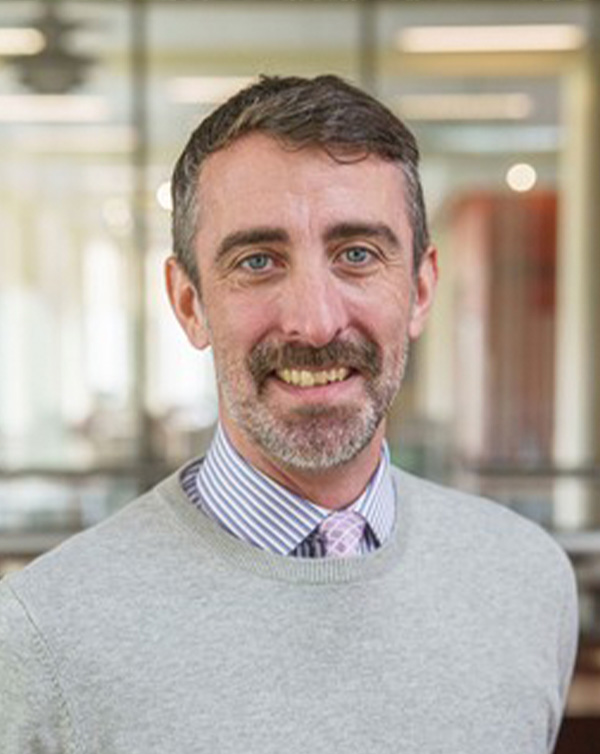
Dr. Gabriel Saucedo is an Assoc. Professor and Chair of the Accounting Department at Seattle University. Prior to completing his PhD at Virginia Tech, he earned his undergraduate business admin. degree from Gonzaga University and worked at KPMG-Seattle in the audit practice. Contact Gabriel by email.
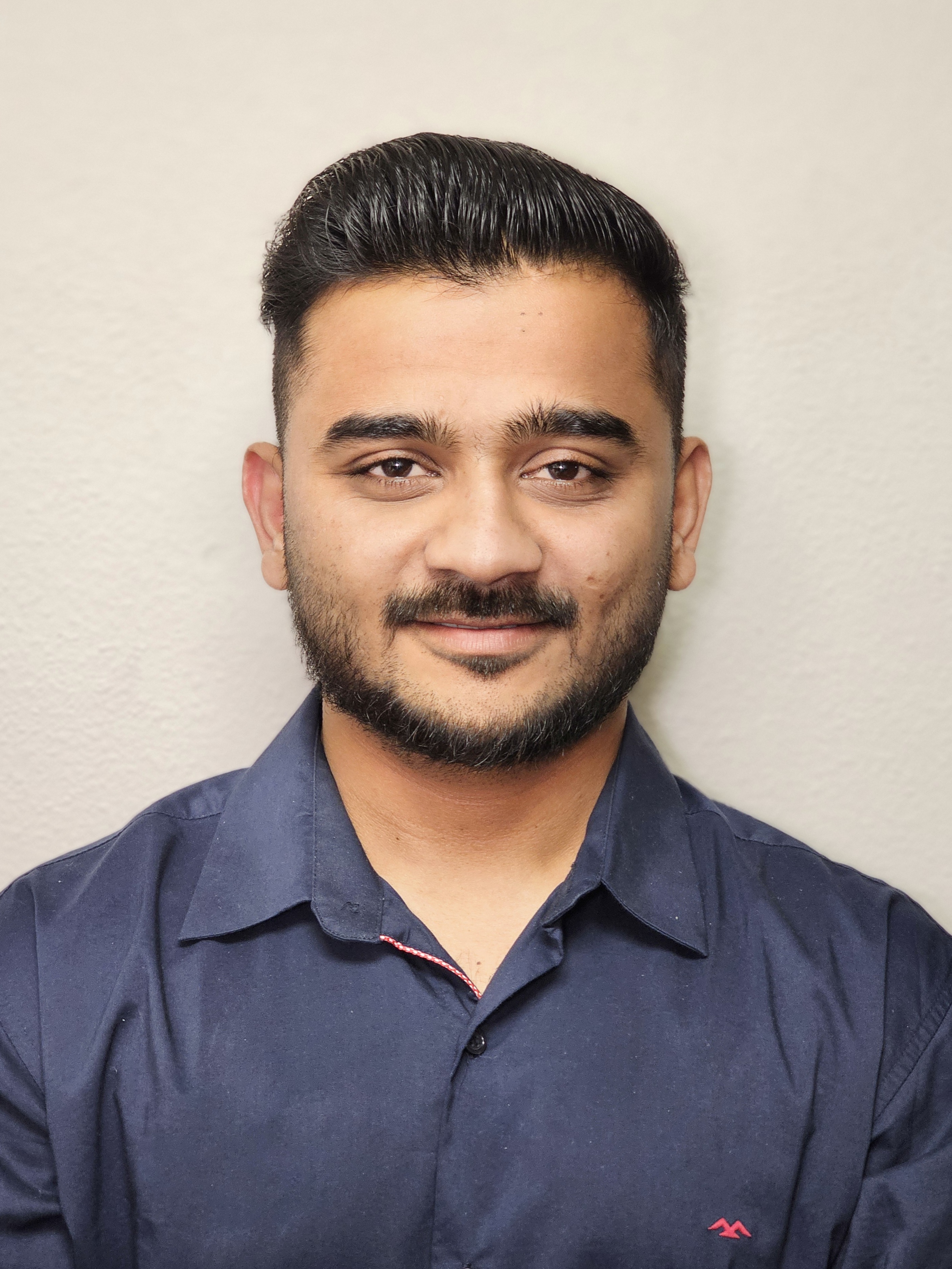
Vikram Parihar received his Master’s in Accounting & Analytics (MSAA) from Seattle University 2025. He currently works as a Budget Analyst for DATA-LINC GROUP in Issaquah, Washington. Contact Vikram by email.
Selected References
AICPA and NASBA. (n.d.). CPA Evolution initiative and model curriculum.
Becker. (2023). What is CPA Evolution?
Intuit QuickBooks. (2024). Accountant Technology Survey 2024.
Intuit QuickBooks. (2025). 2025 Accountant Survey: AI and Strategic Advisory.
Wiley. (2021). Skills gaps and work strengths of the incoming accounting cohort. Wiley Efficient Learning / Wiley Newsroom.
Wolters Kluwer. (2025). Future Ready Accountant Report 2025.